

ABC for Cancer: Breathing for Strength and Calm
ABC for Cancer: Breathing for Strength & Calm
A Breath of Hope: ABC for Cancer
Posted: 03/02/2025
At Voices of Hope, we believe in bringing hope to individuals and the wider community.
After the success of our Active Breathing Course (ABC), we’re proud to introduce ABC for Cancer, a program specifically tailored to support cancer patients. This course combines breathing exercises and singing techniques to help manage breathlessness and anxiety, offering both physical and emotional support during challenging times.
As we expand ABC to help those affected by cancer, we want you to know that this course is here for you. Whether you’re in the middle of chemotherapy, recovering, or simply trying to find ways to feel better, the Active Breathing Course offers an opportunity to reconnect with yourself and regain control over your breathing, health, and emotional well-being.

What is the Active Breathing Course (ABC)?
The Active Breathing Course is a 6-week program designed to help you breathe more deeply, effectively, and with greater control. It incorporates a variety of accessible exercises rooted in diaphragmatic breathing and singing techniques, aimed at improving lung function, boosting energy, and reducing anxiety.
Understanding Diaphragmatic Breathing
One of the key techniques you’ll learn in ABC is diaphragmatic breathing, also known as belly breathing. This type of breathing involves engaging the diaphragm, the large muscle located beneath your lungs. When you breathe this way, your stomach expands as your diaphragm moves downward, allowing your lungs to fill with air more fully. This is much more efficient than chest breathing, which tends to be shallow and can leave you feeling fatigued or anxious.
Diaphragmatic breathing offers many benefits. It helps improve lung capacity, which can be especially beneficial after treatments like chemotherapy. It also activates the body’s relaxation response, reducing stress and anxiety. By practicing diaphragmatic breathing, you can feel more in control of your breath, experience less shortness of breath, and find a sense of calm during your recovery.
Why Breathing Matters for Cancer Patients
Breathing is something we often take for granted—until it becomes difficult. For many cancer patients, the ability to take a full, deep breath is compromised by the physical effects of treatments or the emotional weight of the diagnosis. As a result, anxiety, fatigue, and breathlessness can become daily struggles.
This is where the Active Breathing Course can help. By learning how to breathe deeply and slowly, you can regain control over your body. Controlled breathing can ease symptoms of anxiety, improve lung capacity, and support your overall health as you recover. In a world where so much feels out of our control, learning to breathe mindfully can bring a sense of peace. By breathing actively, you can reconnect with yourself, ground yourself in the present moment, and reduce the emotional and physical strain life throws your way.
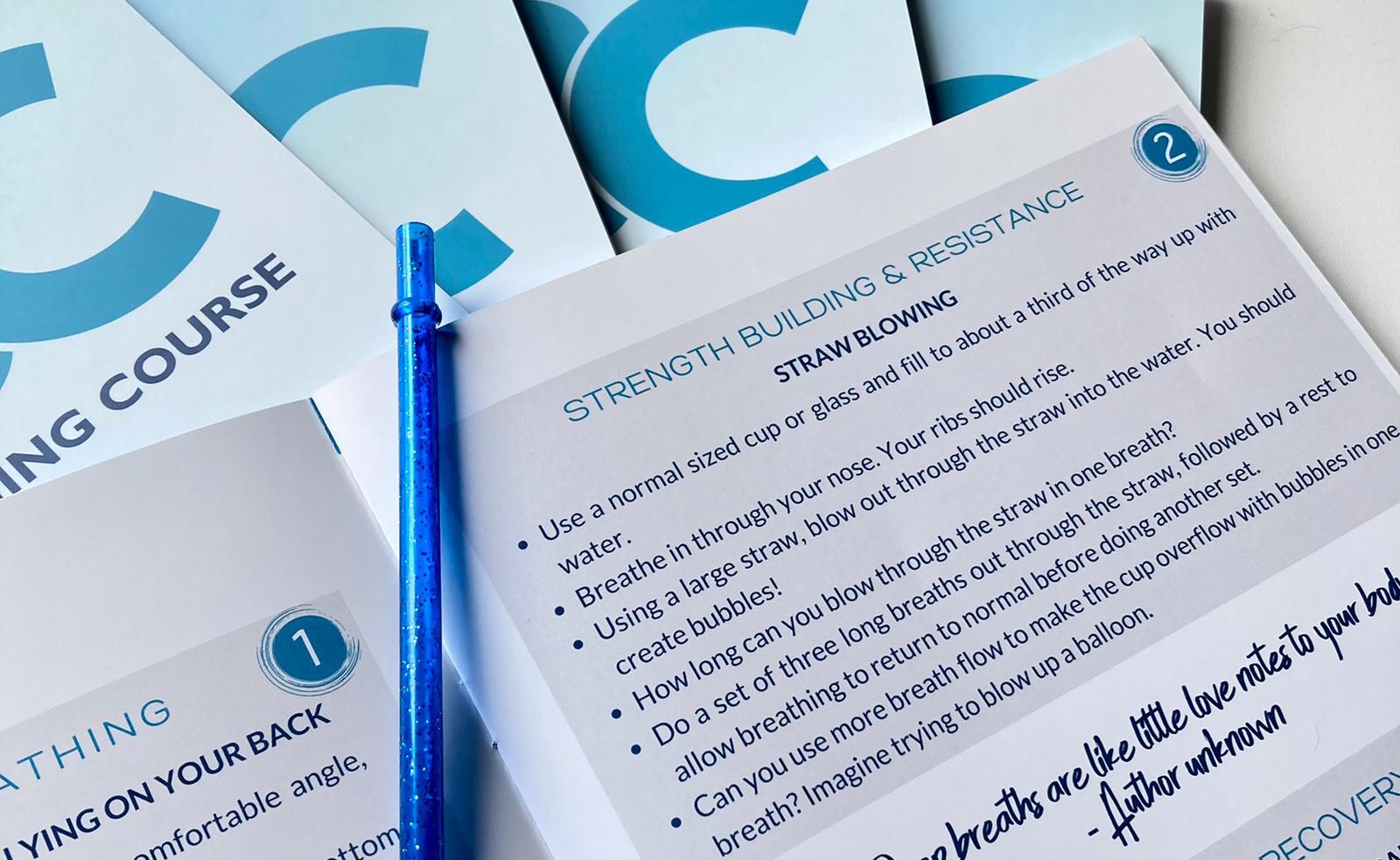
Controlled Breathwork for Anxiety
Controlled breathwork is a powerful tool for reducing anxiety and calming the physical panic response. By focusing on the breath, you could not only calm the immediate physical response of panic but also foster long-term resilience against anxiety. Here’s how it works:
Regulates the Nervous System
During stressful or anxious moments, your body can go into a “fight-or-flight” mode, which is triggered by the sympathetic nervous system (SNS). This leads to faster breathing, higher heart rate, and an increased sense of panic. Controlled breathwork helps activate the parasympathetic nervous system (PNS), which is the body’s “rest-and-digest” system. By intentionally slowing your breath, you send a message to your brain that you’re safe, helping calm the physical symptoms of anxiety. Over time, this practice can help you build resilience to anxiety, allowing you to respond to stress with more calmness and emotional balance.
Reduces Heart Rate and Blood Pressure
Anxiety often results in an increased heart rate and elevated blood pressure. This can make you feel even more anxious and lead to a cycle of heightened stress. Breathwork, especially the technique of diaphragmatic breathing (deep belly breaths), can help activate the vagus nerve, which plays a key role in calming your body. This practice encourages your body to relax, lowering your heart rate and blood pressure. In turn, this not only provides immediate relief but also helps your body become better at managing stress over time.
Balances Oxygen and Carbon Dioxide Levels
Anxiety often brings along rapid, shallow breathing or hyperventilation. This can throw off the balance of oxygen and carbon dioxide in your blood, leading to symptoms like dizziness, tightness in the chest, or tingling sensations. These physical sensations can make anxiety feel even more intense. Breathwork helps restore balance by encouraging slower, deeper breathing. By taking steady, mindful breaths, you can alleviate hyperventilation and reduce the physical sensations associated with panic. Practicing deep breathing acts as a long-term tool for managing anxiety-induced physical symptoms.
Improves Focus and Mindfulness
Negative and worrisome thoughts can easily take over, creating a loop that traps your mind in a cycle of fear and uncertainty. Concentrating on your breathing aids in shifting your attention to the present moment, which can interrupt this cycle. This mindfulness practice allows you to step outside of the mental patterns that often fuel anxiety, giving you a sense of control. Over time, consistent breathwork can help you retrain your brain to stay present and reduce anxiety. It’s an empowering tool for emotional stability, particularly during stressful moments related to your treatment journey.
Modulates Emotional Reactivity
Cancer and its treatments often bring up a range of emotions, and anxiety can cause heightened emotional reactions. Breathwork can help regulate these emotional responses by calming the amygdala (the brain region that processes fear) and activating the prefrontal cortex (the region that helps manage emotions). Slowing your breath helps reduce the intensity of emotional reactions, giving you greater control over your emotions. With regular practice, breathwork can foster better emotional regulation, which can be especially helpful in navigating the emotional challenges that come with a cancer diagnosis and treatment.
The Impact So Far
More than 620 people have benefited from the Active Breathing Course (ABC). Of those participants, 92% reported improved diaphragmatic breathing, and 97% experienced a significant reduction in their anxiety levels. Cancer patients who have taken part in the ABC courses express how the breathing techniques helped them feel more grounded, calm, and in control. One participant mentioned that the course “helped me relax and practice breathing exercises,” while another shared that they “enjoyed meeting other people in similar circumstances and appreciated all the activities.”
Expanding Our Reach
We’re honored to be partnering with St Helier & Epsom Hospitals and Kingston Hospital in Southwest London to offer in-person ABC courses to cancer patients. We believe that the in-person format provides a supportive space where patients can connect with others who share similar experiences. This connection fosters a sense of camaraderie and understanding that’s difficult to replicate online.
In the coming months, we’ll be offering these courses to 250 adults diagnosed with cancer across London, both online and in person. We are committed to making the course accessible to as many people as possible, partnering with local hospitals, GPs, and social prescribers to ensure that you have the support you need to breathe easier and embrace each day with renewed strength.
Join the Journey
If you or someone you love is facing cancer, we invite you to join the Active Breathing Course. Through simple yet powerful exercises, you can regain control over your breathing, reduce stress, and find a sense of calm during an overwhelming time.
We’re here to support you every step of the way. Whether you’re new to the course or have questions, we’d love to connect with you.
To learn more or sign up for an upcoming ABC course, please click here: ABC Enrollment Form for Cancer Patients.